Tips for writing clinical progress notes
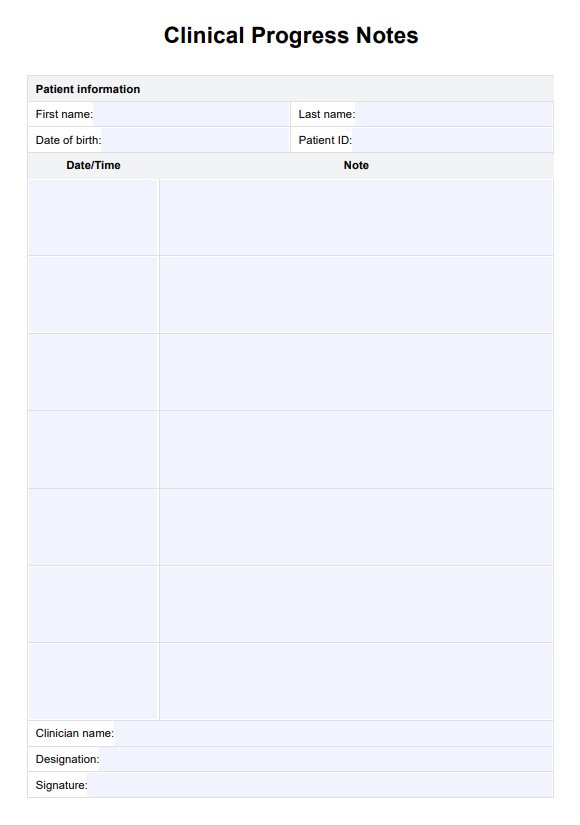
Effective progress notes are crucial in documenting client care and treatment efficacy. They are a vital communication tool among healthcare providers and form an essential part of the client's medical record. Here are some key tips to help you write comprehensive and professional clinical progress notes:
Use a structured format
Consider using the SOAP note format (Subjective, Objective, Assessment, Plan) or a similar structured template used in other progress and therapy notes. This helps organize information consistently and ensures all relevant details are included. For example:
- Subjective: "Client reports increased anxiety in social situations."
- Objective: "Client displayed visible signs of tension, including rapid breathing and fidgeting."
- Assessment: "Symptoms consistent with social anxiety disorder."
- Plan: "Introduce cognitive restructuring techniques in next session."
Be concise and specific
Focus on relevant information and key points. Avoid unnecessary details or subjective language that doesn't contribute to understanding the client's status or treatment progress. For instance, instead of writing "Client seemed upset," try "Client reported feeling frustrated and exhibited a furrowed brow."
Document objective observations
Include clear, factual observations about the client's behavior, mood, and responses during the session. This might include noting the client's participation in group discussions or their ability to engage in therapeutic interventions.
Record treatment interventions
Document specific therapeutic techniques or interventions used during individual therapy sessions or group therapy. For example, "Introduced deep breathing techniques to manage anxiety symptoms" or "Practiced cognitive behavioral strategies to address negative thought patterns."
Note client progress and challenges
Track the client's progress towards treatment goals and any struggles they face. This helps in assessing treatment efficacy and adjusting the treatment plan as needed. For instance, "Client reported successfully using coping skills learned in previous sessions to manage anxiety at work."
Include risk assessments
When relevant, document if a risk assessment was performed, particularly for clients with a history of self-harm or suicidal ideation. Be sure to note any changes in risk level and interventions implemented.